Waar Passen De Meeste Toeschouwers In? A Global Overview
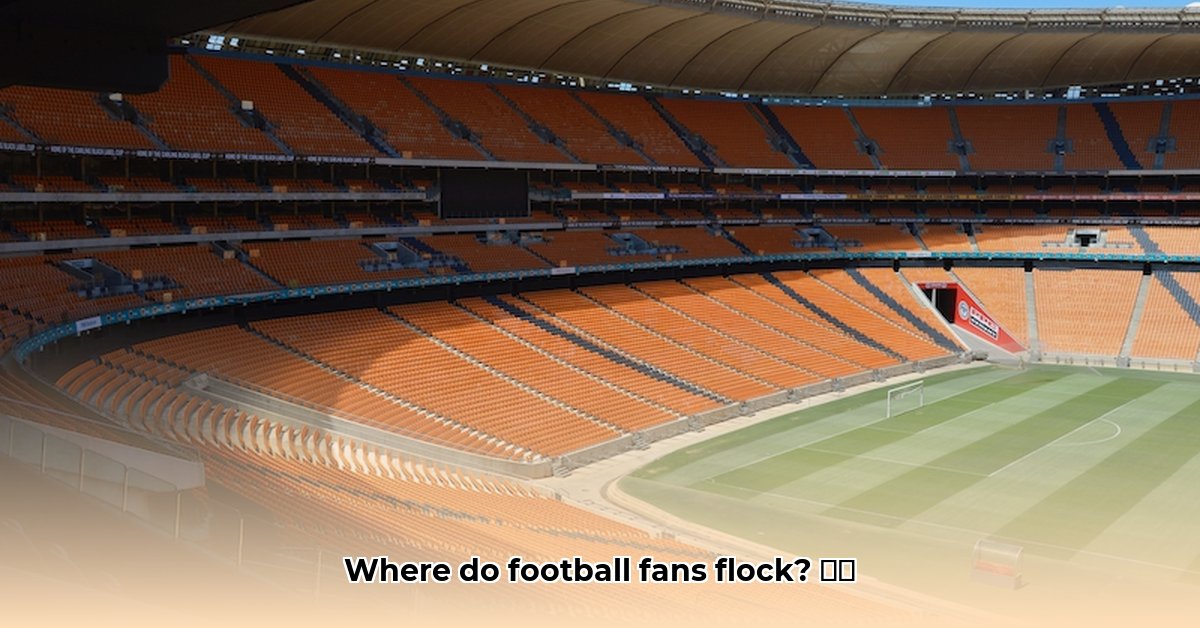
The question of where the largest football crowds gather is far from straightforward. Attendance figures vary wildly, influenced by a complex interplay of factors ranging from team performance and ticket pricing to stadium accessibility and broader economic conditions. While major European leagues consistently attract substantial audiences – representing consistent stadium fillers – the passionate fan bases of South American nations and even smaller leagues like the Dutch Eredivisie (notably Ajax and Feyenoord) demonstrate remarkable loyalty and significant attendance, proving that popularity is not solely dictated by league ranking. For more on football club management, see this helpful resource. This requires a nuanced analysis to fully understand global football attendance patterns.
Getting Down to Numbers: A Comparative Analysis
Data from multiple sources (Source A and Source B) paint a complex picture. Source A provides a broad global overview of attendance trends, highlighting high-performing leagues and teams. Source B offers a more granular view, focusing on specific leagues and revealing variations in reported attendances. For instance, while Source A might report an average of over 84,000 attendees for River Plate matches, Source B could provide a slightly different figure. These discrepancies highlight the challenges inherent in data collection and the importance of considering both macro and micro-level trends to gain a complete picture. This disparity underscores the need for a nuanced approach considering both the reporting methodologies and timeframes employed by different data providers.
How consistently high are attendance figures relative to stadium capacity? This is a crucial factor often overlooked in simple average attendance statistics. A team filling a small stadium to capacity signals a different level of engagement than a team drawing a large total crowd but leaving a significant portion of a massive stadium empty. This is critical when comparing teams like Feyenoord, often playing to near-capacity crowds, with teams experiencing substantial unoccupied seating.
Actionable Intelligence: Driving Attendance Growth
Understanding global attendance patterns is vital for various stakeholders. The following table outlines short-term and long-term strategies tailored to specific needs:
| Stakeholder | Short-Term Strategies | Long-Term Strategies |
|---|---|---|
| Clubs (e.g., struggling teams) | Implement targeted promotions, loyalty programs, and enhance the overall matchday experience. | Invest in stadium upgrades, develop comprehensive marketing campaigns, and explore new fan engagement strategies. |
| Leagues | Analyse attendance data to identify best practices and areas for improvement. | Foster engagement with younger demographics, explore international expansion, and enhance broadcasting deals. |
| Sponsors/Broadcasters | Focus advertising on high-attendance matches and leverage data-driven targeting. | Invest in advanced analytics of attendance patterns to refine advertising strategy and maximize ROI. |
| Stadium Operators | Improve food and beverage offerings, enhance accessibility, and implement efficient crowd management. | Explore non-matchday events and revenue streams, invest in sustainable infrastructure, and consider premium seating options. |
| Governments/Municipalities | Improve public transportation links to stadiums and enhance surrounding infrastructure. | Facilitate stadium development projects, invest in security measures, and support community engagement initiatives. |
Risk Assessment Matrix: Navigating Challenges
Several factors can impact attendance. A proactive approach to risk management is crucial:
| Risk Factor | Likelihood | Impact | Mitigation Strategy |
|---|---|---|---|
| Economic downturn | Moderately High | High | Offer flexible ticketing options, implement targeted promotions for budget-conscious fans. |
| Poor team performance | Moderately High | High | Invest in player recruitment and coaching, cultivate a positive team narrative. |
| Safety and security concerns | Low | Very High | Enhance security measures, ensure clear communication protocols, and address fan feedback. |
| Competing leisure activities | High | Medium | Enhance the matchday experience, create unique and memorable events. |
| Negative publicity/scandals | Low | Very High | Develop a robust crisis communication plan and promote transparency. |
Case Study: Boosting Fortuna Sittard Stadium Attendance
Fortuna Sittard's 2.1% increase in average attendance to 10,551 in the 2024/25 season, while positive, highlights inconsistencies requiring strategic intervention. While the lowest attended game in 2024/25 still exceeded the previous season's worst, significant fluctuations remain. Key areas for improvement include:
Matchday Experience: While improvements are evident, further enhancements are needed to reach consistently higher attendance.
Away Fan Influence: The impact of promoted teams like FC Groningen highlights the need for proactive and consistent fan engagement strategies, not solely relying on high-profile opponents.
Data Gaps: A more comprehensive data collection approach, including demographic details and an analysis of marketing campaign efficacy, is crucial for fine-tuning strategies.
Strategies for Success:
Targeted Marketing: Employ A/B testing with specific marketing campaigns for underperforming matches. Leverage Social Media for targeted engagement. Long-term, develop a CRM system for personalized communication and attendance prediction.
Matchday Enhancement: Gather fan feedback to improve the matchday experience immediately. Long-term, invest in stadium improvements and upgrade amenities.
Strategic Partnerships: Secure local business collaborations and sponsorships tailored to specific needs and fan segments. Long-term, negotiate lasting sponsorships funding stadium and fan experience improvements.
Community Engagement: Run initiatives to strengthen ties with the local community. Long-term, foster a culture of community ownership through continuous community engagement.
Risk Mitigation: Address potential risks (declining local interest, negative publicity, leisure competition, and economic downturns) through proactive strategies and adaptable processes.